❋
Courses
Our Courses At A Glance [Early bird rates]
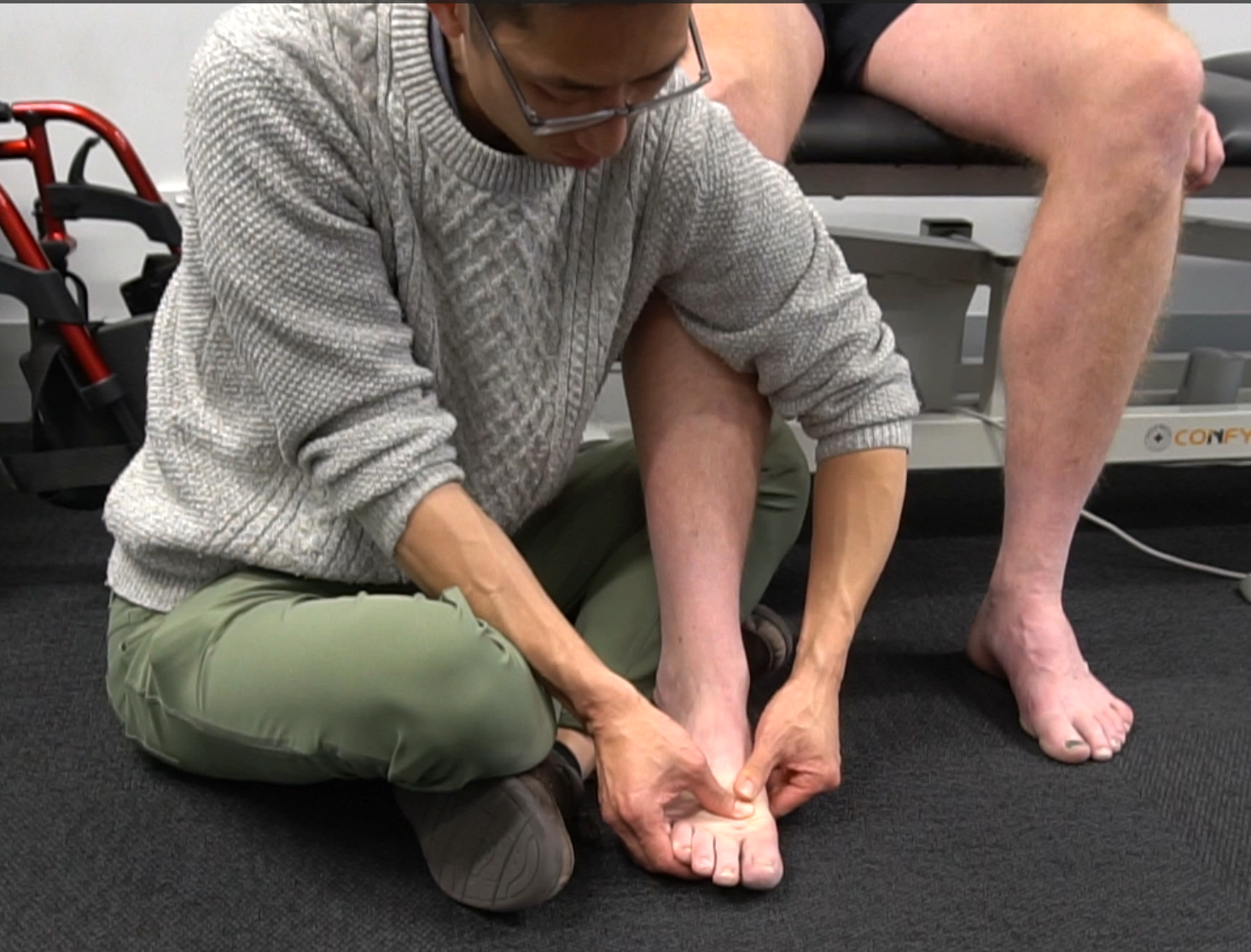
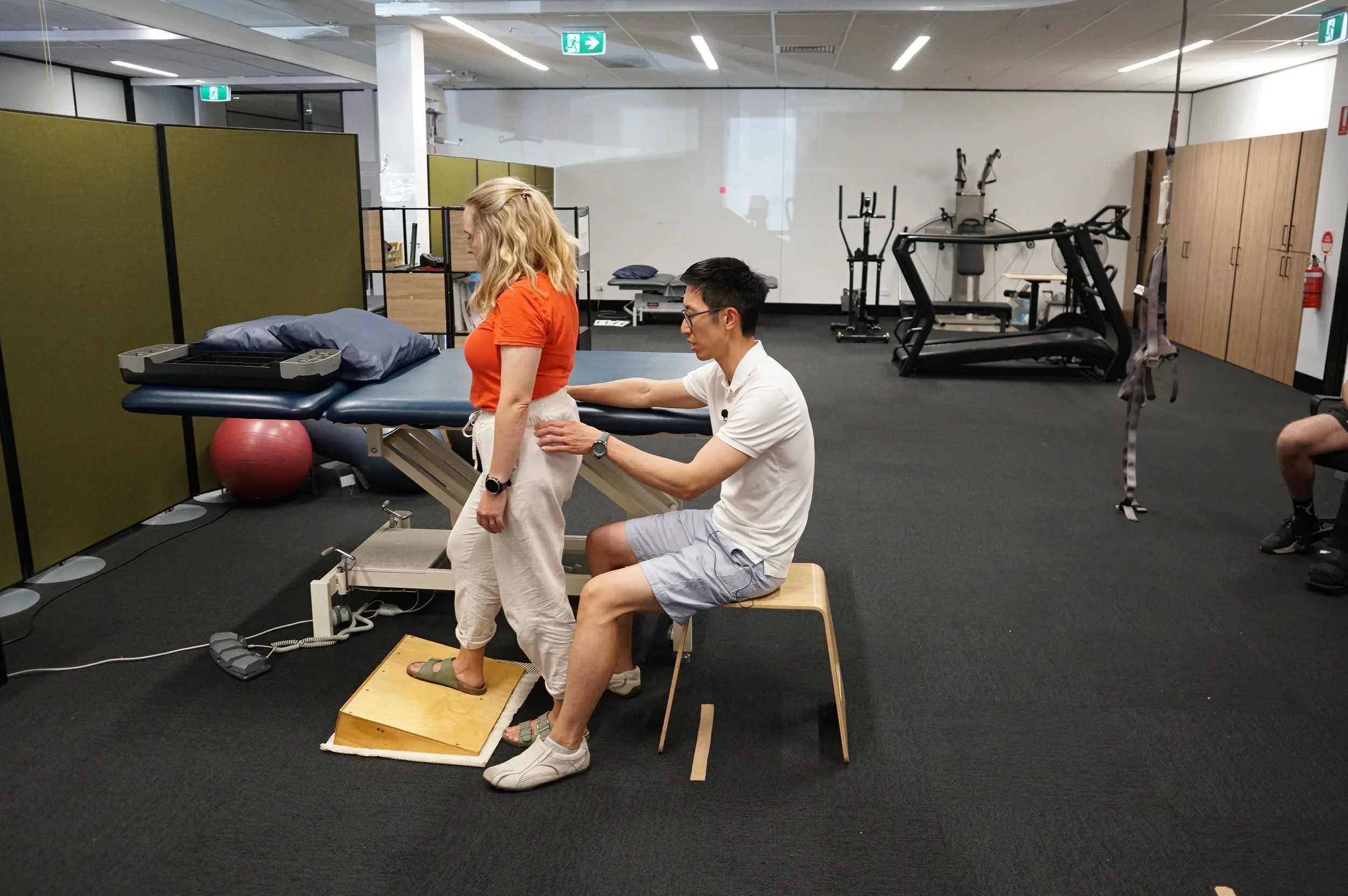
This 1 day course gives you
a strong foundation in gait analysis in real time, with focus on priority areas so you can address high impact areas
a 5-step framework of clinical reasoning that strengthens your gait approach
practical handling, cues and environment considerations improving power and control in the lower limb
specific techniques relevant to treadmill training, an evidence-based intervention
a foundational understanding of AFO design and considerations, including a decision making framework
the opportunity to discuss your own case to maximise learning
a 30-day private community for implementation support
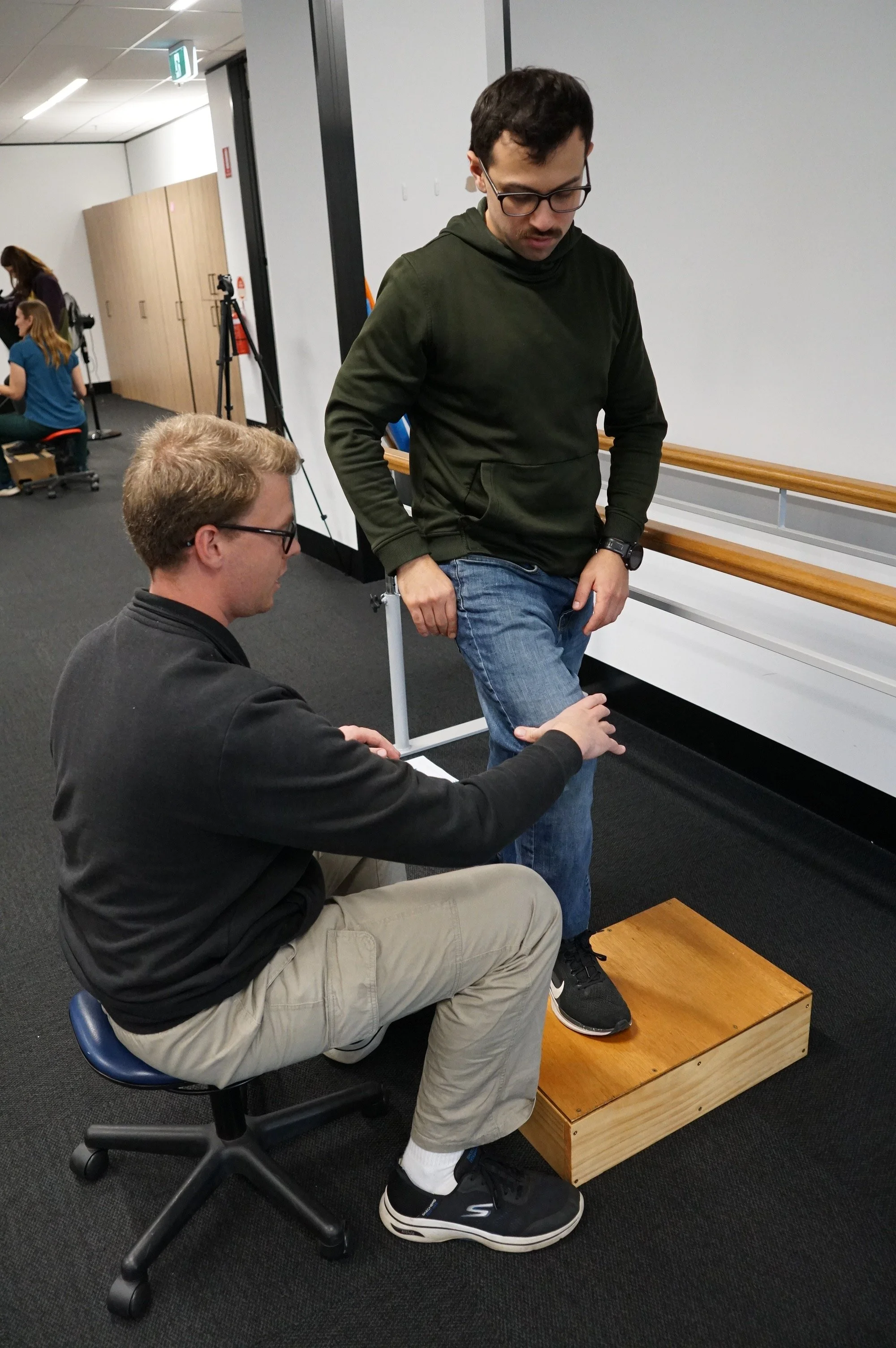
This is the full Gait Rehabilitation course bundle that combines access to the Foundations of Gait and Advanced Adaptive Course on the same weekend in one easy payment.
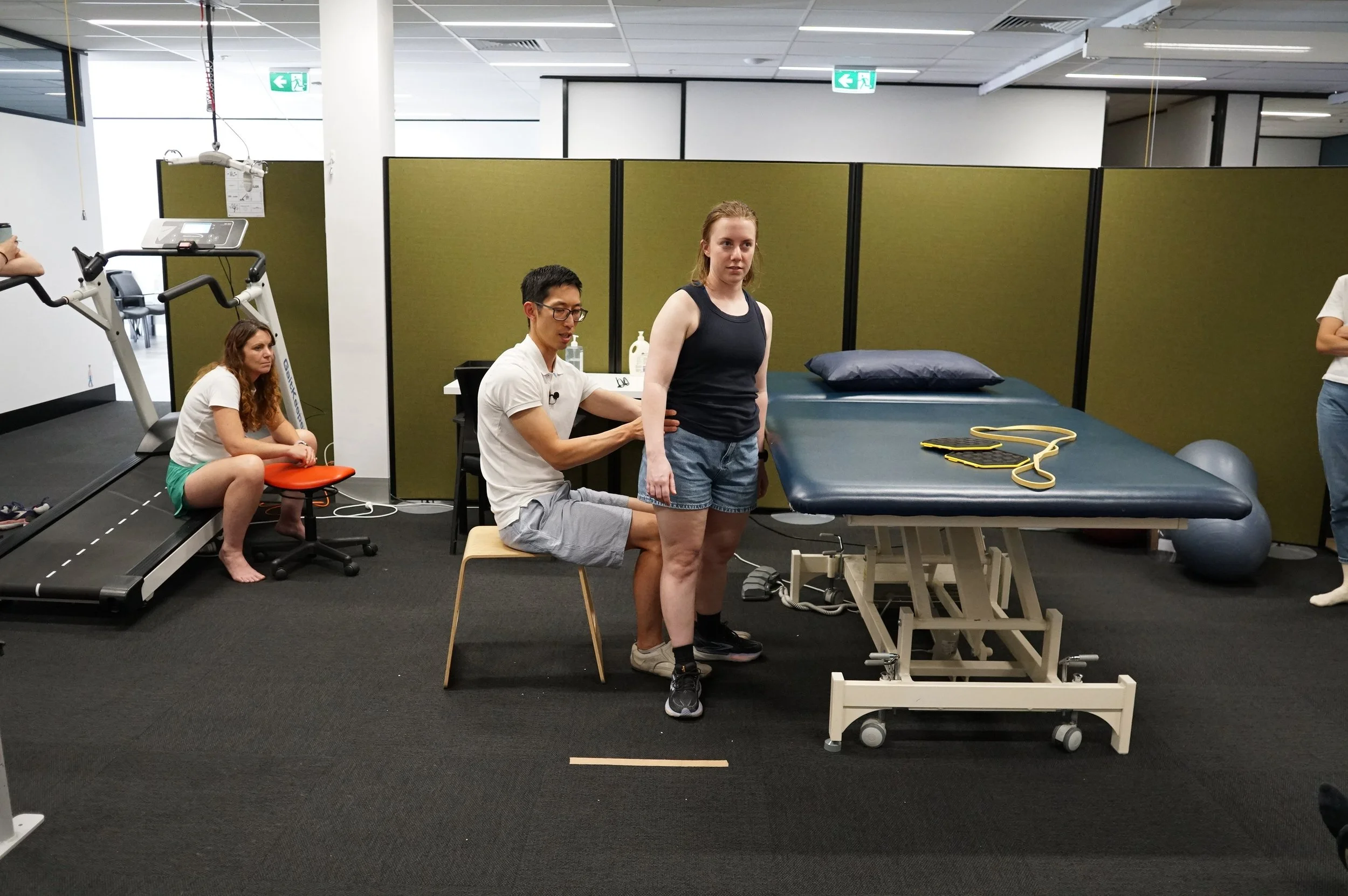
This 1 day course gives you
real-time movement analysis skills for real world walking and turning
detailed understanding of the control of turning biomechanics
treatment skills to enhance uphill and downhill walking
practical handling, cues and environment considerations for turning effectively
clinical reasoning skills to weigh up energy cost, safety and AFO design on gait in the real world
the ability to grade and prescribe the right level of difficulty for your patients that increase motor learning
methods to embed play into that drive higher mobility
the opportunity to discuss your own case to maximise learning
a 30-day private community for implementation support
Foundations of Gait
This is a basic-intermediate level course and is suitable for anyone who is keen to learn about gait in neurological populations.
Early-mid career clinicians from physiotherapy, occupational therapy, exercise science, exercise physiology, prosthetics and orthotics
Here is what you will walk away with:
-
Stop staring at a patient's gait cycle wondering where to start. Our 5-step framework gives you a repeatable, clinically reasoned way to zoom straight to what matters and build a defensible treatment plan on the spot.
-
Move beyond "what's compensating for what" into why. Learn how the brain prioritises speed, balance and stability under threat — so your treatment targets the actual driver, not just the symptom.
-
Discover the invisible forces — load, timing, feedback — that separate gait training that "sort of works" from training that reliably changes the pattern.
-
Learn exactly when manual guidance, cueing, load and faded support belong in a session — and when the treadmill is holding your patient back instead of helping them forward.
-
Get a clear decision framework for AFO prescription: which type, when to introduce it, and how to avoid the ones that quietly cap long-term recovery.
-
Apply everything to your own patient in the room. Walk out with a justifiable treatment plan you can use in clinic the next day.
-
Get exclusive post-course community access to troubleshoot real cases, ask questions and build confidence applying what you learned — long after the course ends.
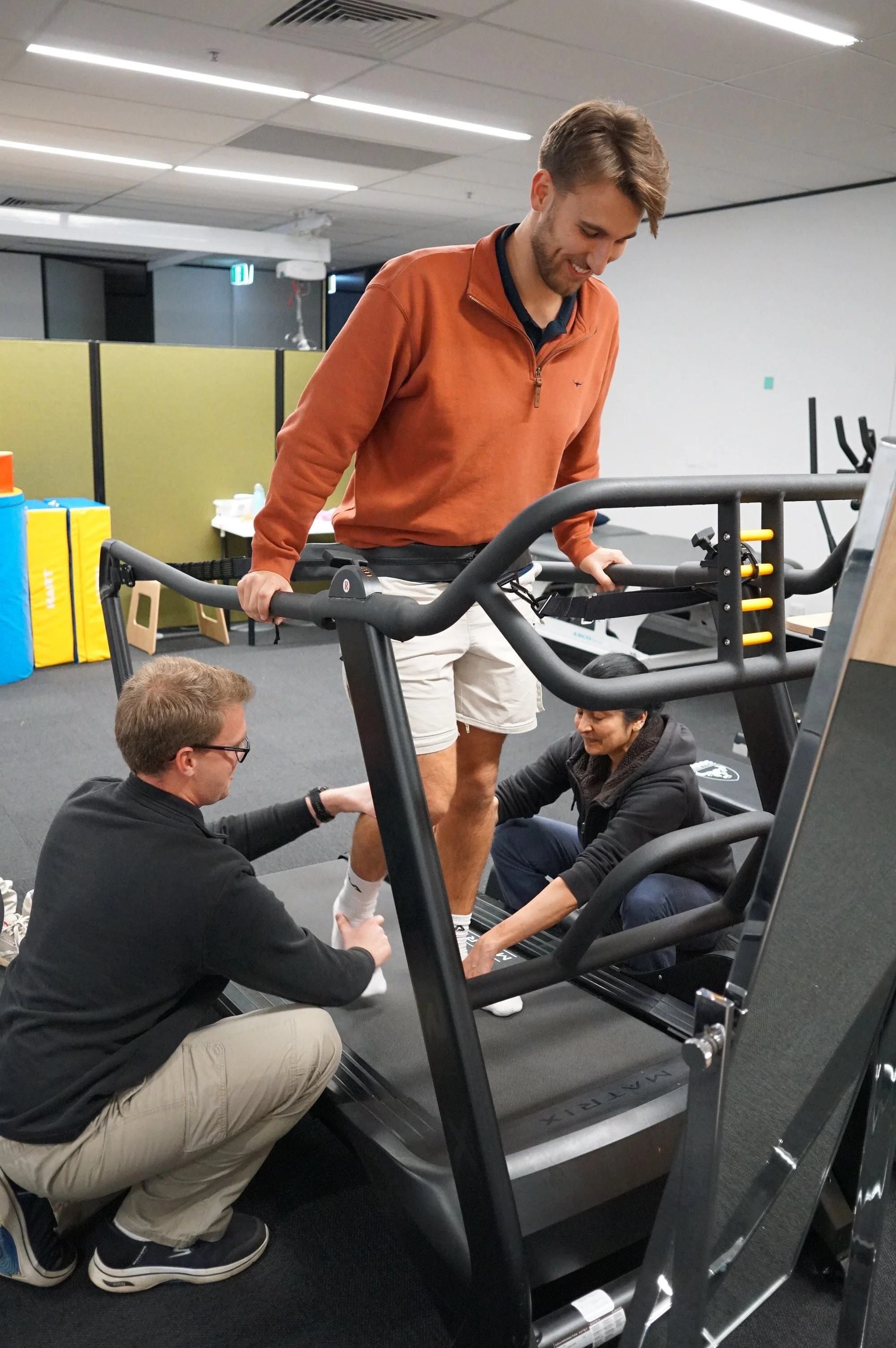
Course Details
Limited spots available.
Once a course fills, you will be advised. Equally if a course does not reach minimum numbers, you shall be refunded.
A 40+page full colour course manual will be provided. You will also receive a certificate of attendance upon completion.
Catering provided (please advise of dietary requirements)
Instructor:
Keegan Bow, APA Titled Neurological Physiotherapist, MACP
Foundations of Gait
Next Dates
Saturday February 20th, 2027
Sister Martin Kelly Centre
18 Barrett Street, Wembley WA 6014
Address
$495 $450 (early bird special)
Pricing
-
Understand how the body organises movement in unpredictable environments — and how perception of space changes everything about how your patient moves.
-
Learn to diagnose the specific turning deficits common in your clinical populations, each paired with a practical treatment strategy you can apply immediately.
-
Turning is where falls happen — and where most gait training stops short. Get the biomechanics, key body segments, and specific ways to train turning control.
-
Give your patients the perceptual and motor planning skills to handle real terrain — not just the flat, predictable surfaces of the gym.
-
Learn how to increase error, create graded variability, and strengthen carryover — so gains transfer to the unpredictable world.
-
Get a clear system for prescribing and grading real-world gait and turning activities using a range of equipment and setups.
-
Understand the true energy cost of adaptive gait — and get concrete strategies for managing fatigue, building endurance, and priming patients for community walking.
-
Learn why play accelerates gait adaptation and how to translate it into busy, real-world clinical settings.
-
Apply the new tools to a real patient with expert guidance in the room.
-
Exclusive post-course community access to troubleshoot cases and build confidence with your new skills.
Advanced Adaptive Gait
This is an advanced level course suitable only for those who have:
enrolled in our Foundations of Gait Course and will have completed it before this course OR
completed our Foundations of Gait Course OR
have at least 3 years’ clinical experience
Here is what you will walk away with:
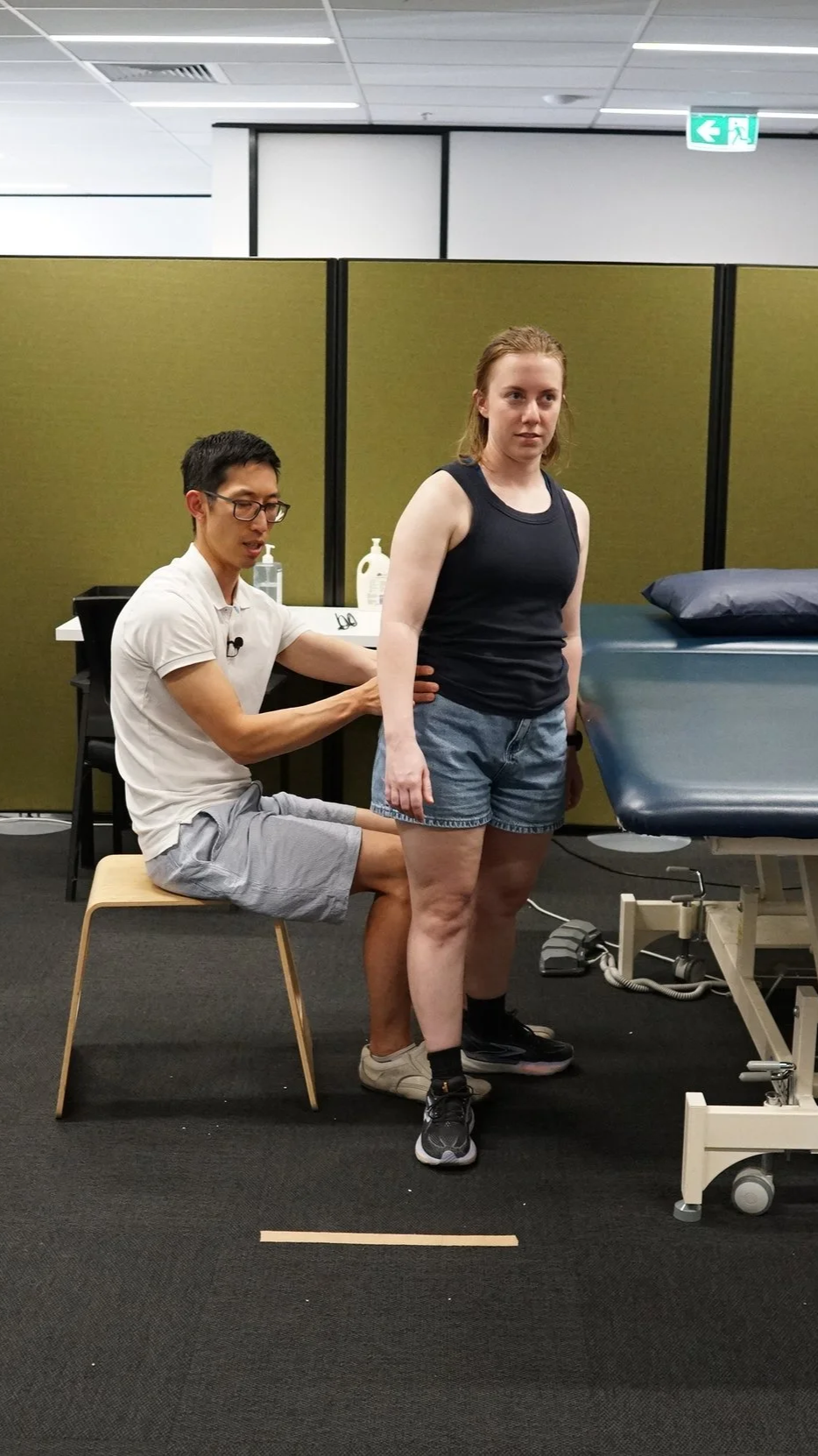
Course Details
Limited spots available.
Once a course fills, you will be advised. Equally if a course does not reach minimum numbers, you shall be refunded.
A 40+page full colour course manual will be provided. You will also receive a certificate of attendance upon completion.
Catering provided (please advise of dietary requirements)
Instructor:
Keegan Bow, APA Titled Neurological Physiotherapist, MACP
Advanced Adaptive Gait
Next Dates
Sunday February 21st, 2027
Sister Martin Kelly Centre
18 Barrett Street, Wembley WA 6014
Address
$550 $490 (early bird special)
Pricing
What course participants have said
-
"Learn from a master clinician and educator. Keegan generously shares his clinical reasoning across diverse neuro case studies. He presents a holistic framework informed by his deep experience and passion for evidence based and best-practice. Through case studies, gain insight into Keegan's assessment to prioritise what to treat or to refer. And Keegan makes this masterclass interactive so there is an opportunity to dig in."
—Daina
-
"Very engaging and safe comfortable space to ask questions and make mistakes and learn! Very supportive and good method of teaching to break down and unpack lots of things we already know and do. Thanks so much for this course. It was designed and delivered so well. It definitely made me less scared to start thinking more like a neuro physio and now I can bring lots of things that I’ve learnt today into my work with more confidence"
—Caroline
-
"Great course! Learned some useful hands on skills that I can apply in my practice the next day!"
—Kahlil
-
"A deep dive into the biomechanics of walking, turning, stairs and obstacles which is much more relevant to our patients' daily living. Loved the course!"
—Carlen
-
"Very informative and always changes my practice. Would recommend to anyone! Thank you as always Keegan!"
—Emma
-
"Quite useful for community rehab neuro physio. Highly recommend!"
—Kim
-
"It really transformed the way I assess and analyse the way a client moves, and helped to develop beneficial treatments that truly make a difference. It helped to cut away time-consuming processes, and focus on the parts of gait that really matter. I would absolutely recommend the course to anyone who wants to improve their analysis and treatment approach!"
— Zak
-
"The Masterclass really made me rethink truncal control, and I realise there's so much you can work on in seated balance to help support people's gait, that I hadn't properly considered before. I'm really keen to dig deeper into gait initiation strategies now, having completed this workshop. Keegan's approach welcomes discussion and I'm looking forward to furthering my education with School of Neuro further."
— Christopher
-
"The Masterclass challenged me to think differently about neurological rehabilitation and helped bridge the gap between neuroscience theory and clinical practice. The content was highly relevant, and delivered in a way that was both engaging and immediately applicable to clinical decision-making."
— Mustafa